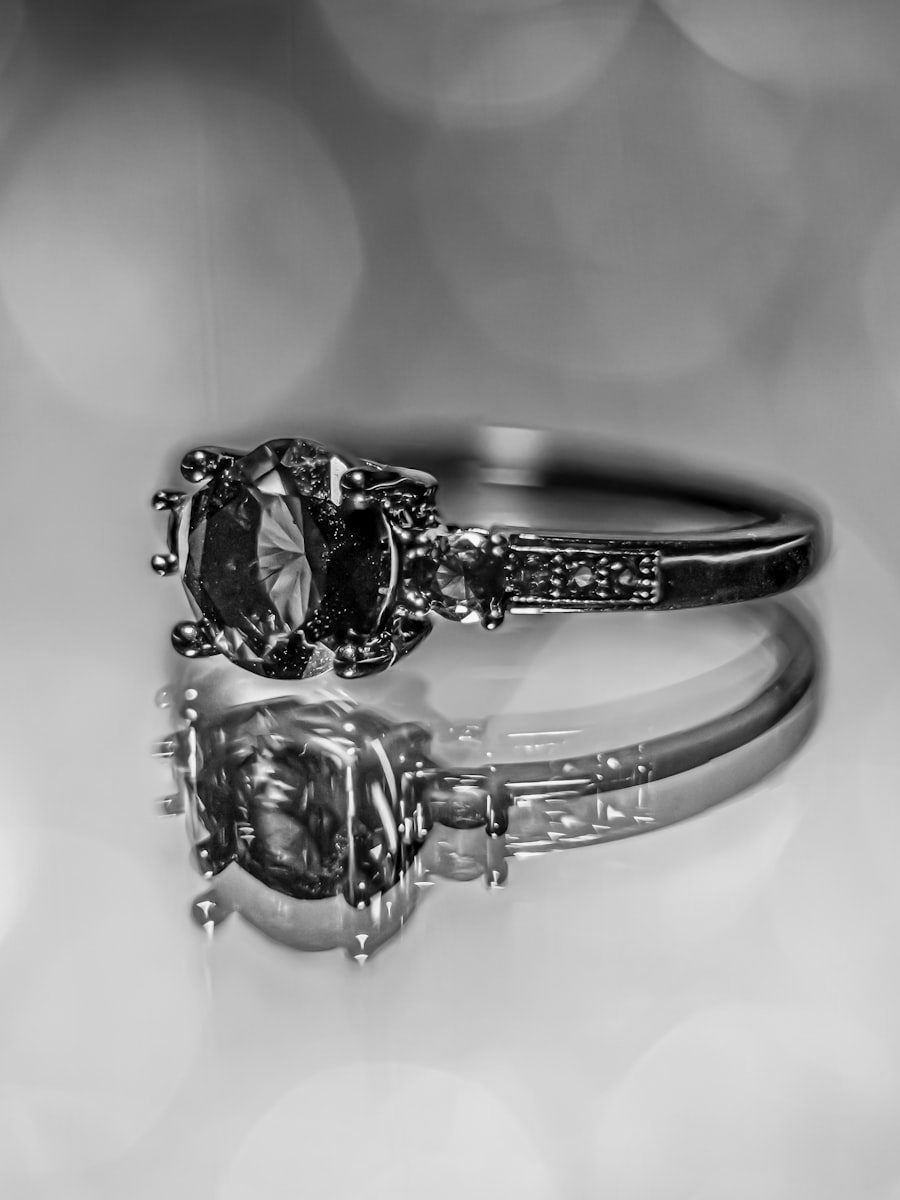

Every diamond is graded on four properties. They are not equally important to how the stone looks on a hand, and understanding which is which is the difference between paying for a better diamond and paying for a better certificate.
Cut: the one that matters most
Cut is not the shape. It is how well the stone was proportioned, and it decides how much light comes back out of it. A well-cut diamond in a middling colour grade will outshine a poorly cut one two grades better. If your budget is fixed, protect the cut grade first.
Colour: visible only at the extremes
Colour runs from D (colourless) down through the alphabet. Between D and about H, most people cannot tell the difference once a stone is set, particularly in white gold or platinum. In yellow gold you can drop further still, because the setting lends its own warmth.
Clarity: what a loupe finds versus what you see
Clarity describes internal inclusions. The grades above VS1 describe things you will never see without magnification. What actually matters is whether the stone is clean to the eye, and where any inclusion sits: one under the table is more visible than one near the girdle, at the same grade.
Carat: weight, not size
Carat is weight. Two stones of the same weight can look noticeably different in size depending on how they are cut. Prices also step up sharply at round numbers, so a 0.95ct stone can cost meaningfully less than a 1.00ct one while looking the same.
Spend on cut. Compromise on clarity before colour. Buy just under the round numbers.
None of this replaces looking at the stone. Bring two or three candidates together under proper light and the differences that matter become obvious in a way no certificate conveys.